Beyond the Bottle: The Clinical Reality of Korean "Inner Beauty"
Walk into any dermatology clinic in Gangnam, and you will notice a recurring theme that escapes the typical glossy skincare advertisements. While the shelves are lined with high-performance topicals, the physicians’ office desks are often cluttered with vials of oral supplements. In Seoul, the philosophy is simple: skincare is an inside-out architecture. But as global interest in K-Beauty "inner beauty" (supplements) hits an all-time high, the distinction between evidence-based clinical protocols and marketing-driven hype has become blurred.
Why do Korean women in their 40s often maintain skin elasticity that seems to defy the limits of topical serums alone? The answer is rarely found in a single magic ingredient. It is a systematic, data-driven approach to oral supplementation that Korean clinics have refined over decades.

The Regulatory Backbone of Korean Efficacy
In the South Korean beauty industry, the Sik-yak-cheo (Ministry of Food and Drug Safety, MFDS) acts as a rigorous gatekeeper. Unlike many global markets where "cosmeceuticals" exist in a legal gray area, the MFDS enforces a strict Gi-neung-seong Hwa-jang-pum (Functional Cosmetics) designation. While this primarily covers topicals, the same culture of evidence-based scrutiny extends to the oral supplements recommended in clinics.
Korean practitioners do not prescribe supplements based on viral trends; they rely on established clinical benchmarks. For instance, when it comes to skin structural support, the focus is not on vague "glow" claims but on measurable improvements in collagen density and moisture retention.
Bridging the Gap: What Clinical Data Actually Says
Marketing campaigns often promise "eternal youth" through expensive, unverified mixtures. However, Korean Ko-deok (beauty obsessives) and dermatologists prefer to focus on ingredients with high bioavailability and robust trial data.
| Ingredient | Primary Clinical Benefit | Typical Dosage | Clinical Focus |
|---|---|---|---|
| Collagen Peptides | Skin elasticity & hydration | 2,500mg – 5,000mg | Collagen synthesis stimulation |
| Centella Asiatica | Inflammation & barrier repair | 300mg – 600mg | Triterpenoid anti-aging effects |
| Glutathione | Pigmentation modulation | 250mg – 500mg | Melanin inhibition pathway |
| Ceramides | Transepidermal water loss | 30mg – 70mg | Barrier structural integrity |
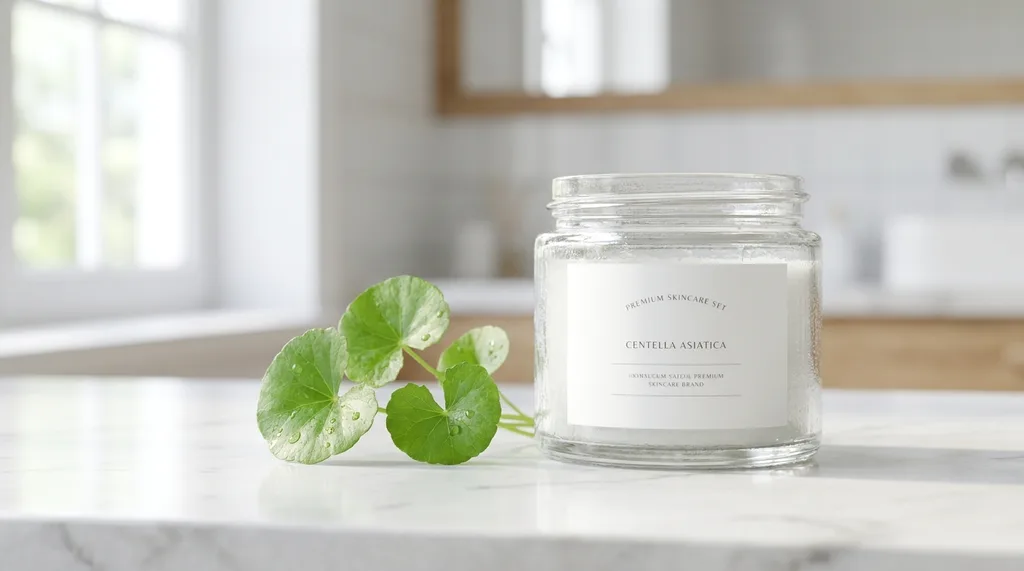
The clinical consensus in Seoul is that Byeongpul (Centella Asiatica), when ingested as a standardized extract, contributes significantly to skin recovery. Studies have shown that consistent supplementation can lead to an 11.1% reduction in wrinkle depth over 12 weeks—a far more modest, but honest, result than the "instant transformation" promised by social media.
The Authentic Korean Routine
For the modern Korean consumer, the goal is not to consume as many pills as possible—a concept known as Obeo-keo (over-care) which is heavily discouraged. Instead, they use platforms like Hwahae to cross-reference ingredient quality. The "smart consumption" culture prioritizes Nae-don-nae-san (verified self-purchased) reviews, where the community flags products that provide little more than placebo effects.
Most effective routines in Seoul follow a cyclical pattern: 1. The Foundation Phase: High-quality collagen peptides taken consistently for 8–12 weeks to provide the building blocks for dermal health. 2. The Targeted Phase: Integrating specific actives like Glutathione or Cica extracts only when the skin is under stress, such as during seasonal transitions or following laser procedures. 3. The Recovery Phase: Focus on barrier-supportive nutrients like ceramides to lock in results.
Accessing Quality: The Global Perspective
One of the greatest challenges for international enthusiasts is sourcing authentic supplements. Counterfeiting is a genuine risk in the global supply chain, which is why many locals and international experts alike utilize platforms with verified, direct-sourcing models.
| Supplement Type | Market Reality | Why Authenticity Matters |
|---|---|---|
| Collagen Peptides | High risk of low-bioavailability | Low-grade collagen fails to reach the dermis effectively. |
| Botanical Extracts | Standardization variability | Without standardized triterpenoid levels, Cica provides no clinical benefit. |
A Note on Safety
It is important to remember that oral supplements are not passive additives; they are bioactive compounds.
⚠️ Disclaimer: The information provided here is for educational purposes and does not constitute medical advice. Supplements can interact with prescription medications and existing health conditions. Always consult with a board-certified dermatologist or primary care physician before adding new supplements to your routine, especially if you are pregnant, nursing, or undergoing medical treatment. Always perform a patch-test for any topical application and monitor your body’s response to oral supplements closely.
✓ Researched and compiled using verified data as of the publication date.
 Operated by: Quiet Korea | Contact: rsl.2001.1975@gmail.com
Comments
Post a Comment