The Derma Cosmetics Deep Dive: What Korean Clinics Know About Your Skin That You Don't
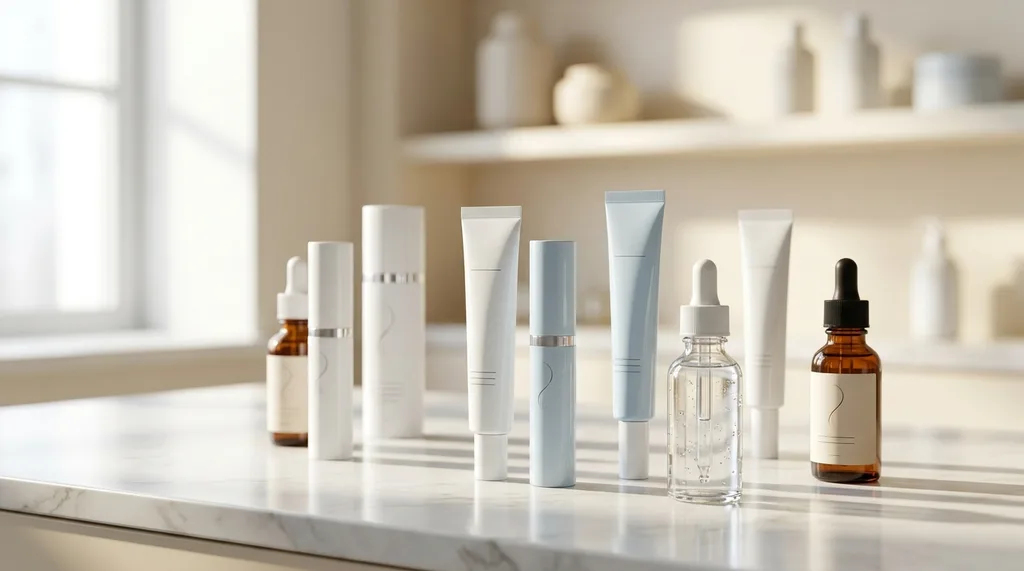
There's a question nobody in Western beauty media seems to have thought to ask: why do Korean dermatologists reach for vitamin B3 the same way a doctor reaches for an antibiotic prescription pad — and why has almost nothing about this leaked out of Seoul?
The answer is hidden inside a category of products that routinely gets mislabeled, misunderstood, and undersold. Not "dermatologist-tested." Not "clinically inspired." The real thing — a hybrid of pharmaceutical intent and cosmetic form that Korean clinics dispense the way a hospital pharmacy dispenses ointments. Welcome to the world of Korean derma cosmetics, where the line between your moisturizer and your medicine is thinner than anyone in the industry is comfortable admitting.
The Clinic That Sends You Home With Skincare, Not Just a Receipt
Walk into a mid-tier skincare clinic in Apgujeong on a Tuesday afternoon and you'll see something most Western patients have never experienced: the dermatologist finishes the laser toning session, the assistant hands you a small jar, and then — nothing. No prescription pad. No trip to the pharmacy. Just this tube, and an explanation of exactly how to apply it for the next two weeks.
That jar is a derma cosmetic. And in Korea, it is not a upsell.
[K-Beauty 101] Jaesaeng-gwalli (재생관리) — Regeneration management. The systematic protocol for repairing skin barrier integrity after professional procedures. It implies the skin is in a vulnerable, wound-adjacent state requiring active, targeted support — not just passive moisture application.
The Korean regulatory and cultural landscape created this category out of necessity. Korean consumers undergo aesthetic procedures at rates that would stagger most Western dermatologists — laser toning, RF lifting, and various resurfacing modalities are routine maintenance, not special occasions. When skin goes through that kind of repeated intervention, the standard advice of "use a gentle moisturizer" stops being adequate. The skin barrier is genuinely compromised. TEWL — transepidermal water loss — spikes. The stratum corneum, the outermost protective layer, needs functional reconstruction, not just hydration.
This is where the term pibu-jangbyeok enters the conversation.
[K-Beauty 101] Pibu-jangbyeok (피부장벽) — Skin barrier. The cornerstone concept of Korean dermatological skincare. Not "moisturized skin," not "glowing skin" — the integrity of the structural fortress between your cells and the outside world. When this is intact, everything else follows. When it isn't, no amount of beautiful packaging rescues the formula underneath.
Korean derma cosmetics brands — positioned in the space between prescription topicals and standard consumer cosmetics — built their entire product philosophy around repairing this barrier at the molecular level. Ceramides to rebuild the lipid matrix. Low-molecular-weight hyaluronic acid to hydrate from within rather than just film the surface. And at the center of everything: niacinamide. In concentrations that are neither accidental nor decorative.
The B Vitamin That Matches a Prescription Antibiotic
Here's the fact that changes everything: a 4% niacinamide gel has been shown in clinical research to perform equivalently to 1% clindamycin — a topical antibiotic — in reducing acne lesions. This is not a marketing claim. This is published clinical data. And the implication is enormous.
Clindamycin is a prescription antibiotic. In most countries, you need a doctor to write you a slip for it. Niacinamide at 4%, formulated correctly, produces comparable results — and does it without the single most serious problem with antibiotic acne treatment: bacterial resistance. When you stop responding to clindamycin, there are limited options left. Niacinamide doesn't create that problem. It can't. It isn't an antibiotic.
Korean dermatologists understood this early. The result is a category of prescription-adjacent products built around niacinamide concentrations that are both effective and regulatory-compliant under Korea's Ministry of Food and Drug Safety guidelines — 2% to 5% for brightening function, with the acne-targeting concentration sitting comfortably at 4%.
The mechanism matters here, and it's worth understanding precisely. Niacinamide is a precursor to NAD and NADP — compounds your cells use for energy metabolism and, critically, DNA repair. When you apply it topically in sufficient concentration, it does two things simultaneously that most single ingredients can't: it inhibits the transfer of melanosomes (the pigment packages) to keratinocytes, which explains the brightening effect, while also stimulating ceramide synthesis in the stratum corneum. More ceramides mean a more intact barrier. A more intact barrier means less TEWL. Less TEWL means skin that holds onto its own moisture instead of constantly needing it replenished from the outside.
The anti-inflammatory mechanism is equally elegant. Niacinamide specifically inhibits interleukin-8, a signaling molecule that recruits neutrophils to the site of inflammation. Neutrophils are part of why acne lesions become inflamed, red, and painful. Block the signal, reduce the cascade. No bacteria killed, no resistance developed, no antibiotic dependency.
And then there's the systemic dimension — the one that surprised even clinical researchers. Oral niacinamide at 500mg taken twice daily has been shown to reduce the incidence of non-melanoma skin cancer by 23% in high-risk individuals. A vitamin. Reducing skin cancer risk by almost a quarter. The mechanism involves DNA repair enhancement — because niacinamide fuels the NAD-dependent enzymes that fix UV-induced DNA damage before it becomes malignant.
This is why Korean dermatologists don't treat niacinamide like a "nice-to-have brightening ingredient." They treat it like infrastructure.
But niacinamide is only part of the story. The deeper innovation in Korean derma cosmetics isn't what's in the formula. It's how the formula gets in.
The Microscopic Needles Inside Your Serum
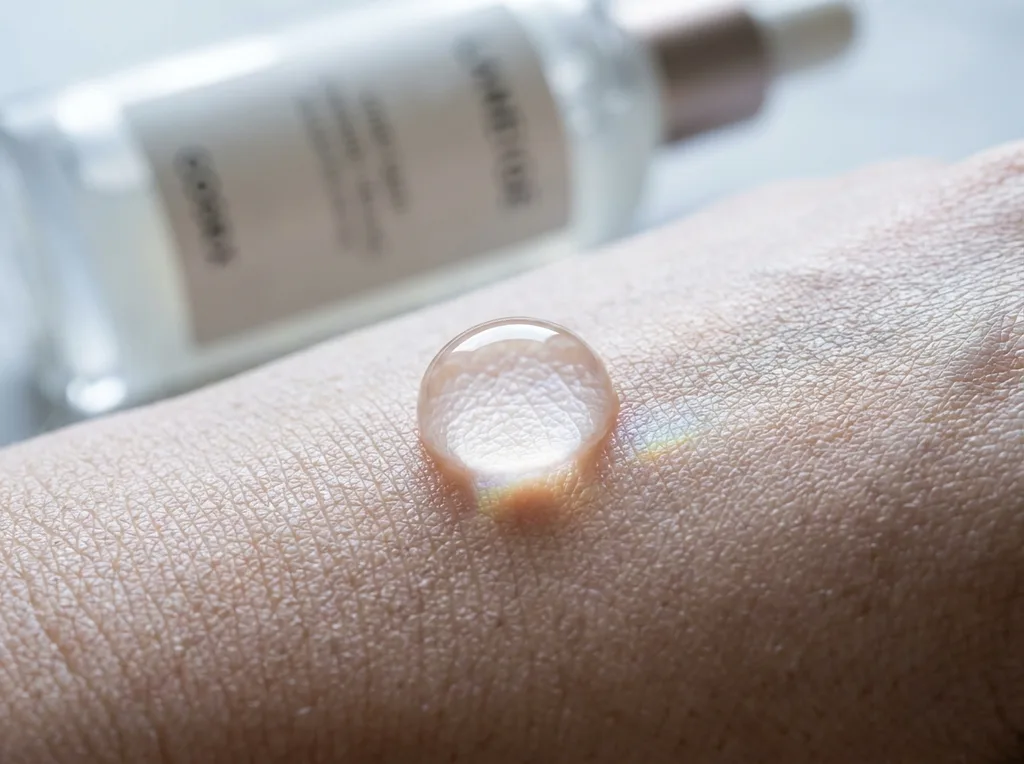
If you've picked up a product from VT Cosmetics — specifically the Reedle Shot — and felt a brief prickling sensation on application, you didn't have a reaction. You had a delivery system working exactly as designed.
The technology is built around spicules: microscopic structures derived from hydrolyzed marine sponges. Under magnification, they look like tiny needles, because that's precisely what they are. When applied to skin, they create temporary micro-channels in the epidermis — not deep enough to cause damage, but deep enough to dramatically change the penetration dynamics of the actives sitting alongside them in the formula.
This is the delivery problem that most topical skincare never solves. The skin barrier is excellent at keeping things out. Ceramides, tight junctions, the lipid matrix — all engineered by evolution to prevent foreign substances from entering. A beautifully formulated peptide serum or niacinamide concentrate sitting on top of an intact stratum corneum will mostly evaporate or be rinsed away. The molecules are simply too large, or the concentration gradient too shallow, to pass through without assistance.
Spicules assist. They create pathways. And then the actives move through those pathways into the dermis, rather than pooling on the surface.
It's crucial to understand what spicules are not. They are not active ingredients. They don't do anything biochemically beneficial on their own. They are physical enhancers — sophisticated delivery infrastructure. The clinical value comes entirely from what's being delivered through the channels they create. This is why the quality of the actives in a spicule-based formula matters enormously. A poorly formulated spicule serum will deliver its mediocre ingredients more efficiently. That's not an improvement.
The Korean derma cosmetic category's best practitioners understand this. They don't use spicule delivery to make a weak formula appear stronger. They use it to push genuinely efficacious actives — validated concentrations of niacinamide, ceramide precursors, low-molecular-weight peptides — past the barrier that would otherwise render them decorative.
This is the gap between "contains niacinamide" and "delivers niacinamide." Most global skincare products are in the first camp.
What the Protocol Actually Looks Like After a Procedure
Consider what happens to skin after laser toning or RF lifting. The controlled thermal injury initiates a wound-healing cascade. Inflammation rises. The barrier becomes transiently permeable — which sounds useful, but means the skin is simultaneously losing hydration at an accelerated rate and absorbing irritants it would normally block. This is the moment that defines how your skin looks in three months.
Korean clinics — and the derma cosmetics they recommend — are designed around exactly this window.
The condition that Korean dermatologists flag most often in this post-procedure state is what the industry calls sok-geon-seong.
[K-Beauty 101] Sok-geon-seong (속건성) — Inner dryness. A condition where the skin surface appears normal or even oily, but the deeper layers feel tight, stiff, and parched. Standard hydrating products address the surface; sok-geon-seong requires low-molecular-weight hyaluronic acid and ceramide-rebuilding actives that can penetrate far enough to address the structural deficit.
The protocol that emerges from this diagnostic framework involves sequencing, not just ingredients. Low-molecular-weight hyaluronic acid first — small enough to move through even a compromised barrier, drawing water to the mid-dermis. Then a niacinamide concentrate at 4-5% to begin ceramide synthesis and quell the inflammatory signaling. Then an occlusive barrier layer to seal the work in and prevent the TEWL from undoing it overnight.
This isn't complicated. But it requires knowing why each step exists, not just that it's been recommended.
Where Korean derma cosmetics fail their users — and this is worth saying plainly — is when they're applied to skin that isn't ready for them. Spicule products on actively broken or sensitized skin don't improve recovery; they extend it. High-concentration niacinamide on a severely compromised barrier can provoke flushing and stinging that the user misattributes to sensitivity, when the real issue is application timing. The products aren't wrong. The sequencing is.
People with rosacea, active eczema, or ongoing perioral dermatitis should approach derma cosmetics — particularly spicule-based formulas — with genuine caution and preferably a consultation before self-prescribing. The "post-procedure care" angle of this category means the formulations are engineered for recently treated, not chronically irritated, skin. That distinction is not cosmetic.
Finding Clinic-Grade Formulas When You're Not in Seoul
The practical question is always: where do you actually get this?
The Korean domestic market has Olive Young, Hwahae for verification, and direct clinic dispensing. Outside Korea, the supply chain for genuine derma cosmetics ranges from reliable to actively fraudulent, depending on the channel. This is not a paranoid caveat — supplements and medical-adjacent skincare products are among the most frequently counterfeited categories in global e-commerce. The stakes are real.
For international readers, the platforms that consistently source authentic product are limited, and iHerb operates as one of the most rigorously sourced channels for ingredients in this category — direct purchasing relationships rather than third-party marketplace listings.
For the oral niacinamide protocol — 500mg twice daily for UV-related skin cancer prevention and systemic barrier support — iHerb's selection of standalone niacinamide supplements covers a range of formulations, most priced significantly below what Korean pharmacies charge and with shipping to over 180 countries.
| Product Type | Korean Clinic Price Range | iHerb Approximate Range | Notes |
|---|---|---|---|
| Niacinamide Supplement (500mg, 100ct) | ₩18,000–₩35,000 | $8–$18 | Verify MFDS-equivalent quality markers |
| Topical Derma Serum (Niacinamide 4-5%) | ₩25,000–₩80,000 | $12–$45 | Check ingredient list for spicule disclosure |
| Ceramide Barrier Repair Cream | ₩30,000–₩90,000 | $15–$50 | Look for ceramide AP, EOP, NP trio |
When using iHerb: code QAK3042 applies an additional discount on your first order. Not a sales pitch — a practical note, given that building out a full derma cosmetics protocol across multiple products adds up faster than expected.
The global dermal filler and medical cosmetics market is projected to reach between $8.87 billion and $18.21 billion within this decade — a range that reflects how much demand volatility there still is in the post-procedure care segment. The brands positioning seriously in this space, like Reboncell, are doing so by investing in ingredient refinement and transparency over novelty, which is the right call. The PRP kits and plasma therapies generating buzz in Seoul's experimental clinics are interesting, but the clinical consensus remains that consistent, evidence-based topical and supplemental protocols outperform almost any single high-intervention procedure when measured over 12 months.
The most counterintuitive truth in Korean dermatology isn't that expensive procedures work. It's that vitamin B3, ceramide synthesis, and a precise understanding of your own barrier state will outperform almost everything you're currently spending money on — if you use them in the right concentration, in the right sequence, at the right moment.
Your clinic visit isn't the treatment. Your clinic visit is the training session. What you do in the weeks after is where the actual result lives.
⚠️ Medical & Financial Disclaimer: This article is for informational and educational purposes only and does not constitute medical advice. Derma cosmetics, even those used in clinical settings, are not substitutes for prescription medication or professional dermatological consultation. If you are managing an active skin condition — including rosacea, eczema, chronic acne, or post-procedure recovery — consult a licensed dermatologist before introducing spicule-based products, high-concentration actives, or oral niacinamide supplementation. Oral niacinamide at therapeutic doses (500mg twice daily) has documented interactions with certain blood pressure medications and can cause flushing reactions in sensitive individuals; speak with a physician before beginning any oral protocol. Pregnant or breastfeeding individuals should not self-administer any supplemental protocol without medical supervision. Prices cited reflect publicly available data at time of research and may fluctuate. Product authenticity cannot be guaranteed on third-party marketplace platforms — purchase only from verified direct-source retailers.
✓ Researched and compiled using verified data as of the publication date.
 Operated by: Quiet Korea | Contact: rsl.2001.1975@gmail.com
Comments
Post a Comment