The Internal Architecture of Glow: A Clinical Reality Check
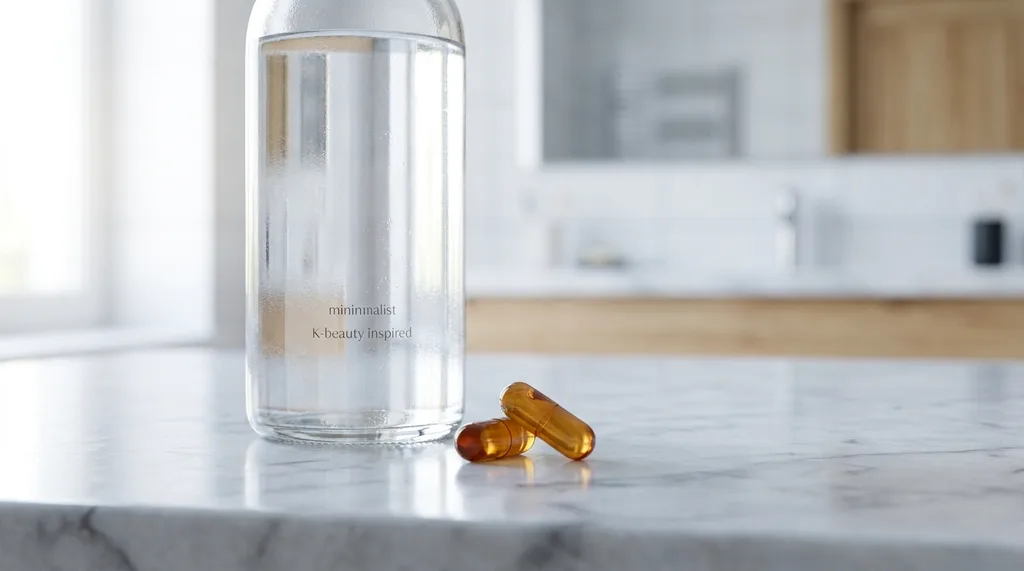
When you walk into a high-end dermatology clinic in Seoul, you are rarely greeted by an immediate pitch for a bottle of serum. Instead, you are guided through a clinical intake that treats the skin not as a canvas to be painted, but as a biological system to be balanced. For years, global beauty media has fixated on the ten-step topical routine, yet this misses the silent engine of the Korean aesthetic standard. The "glass skin" aesthetic so many chase is often the result of a symbiotic relationship between clinical si-jeul (aesthetic procedures) and rigorous internal support.
🎵 K-Mono Lofi — Seoul Study Beats
Read deeper with Seoul lo-fi in the background — curated by K-Mono Lofi
Before diving into the clinical reality of these interventions, it is essential to understand that in Seoul, beauty is treated as a marathon of maintenance. If you have been looking for the reason why clinical results in Korea often look more refined than those achieved elsewhere, the answer is rarely in a single miracle cream. It is in the synergy.
The Clinical Standard: Beyond the Topical
In the world of gongjang-hyeong (factory-style) clinics, the goal is often high-volume turnover. But in the private, evidence-based practices that set the real standard, the approach is different. Specialists here view the skin barrier and dermal density as variables that can be manipulated through controlled biological signaling.
When you see a woman in her 40s in Seoul with a complexion that defies her age, you aren't just looking at sunscreen. You are looking at a disciplined, years-long integration of clinical procedures and foundational internal care. They don’t wait for the signs of aging to "repair" the skin; they practice prejuvenation—preventative care that keeps the biological clock ticking at a slower pace.
[K-Beauty 101] 시술 (Si-jeul) — Non-surgical aesthetic procedures, ranging from lasers and energy devices to injections. In Korea, this is the fundamental unit of dermatological care. It is not an occasional indulgence; it is a routine maintenance pillar as regular as a dental cleaning.
Before we dissect the supplements that actually move the needle, you need to understand how these internal foundations interact with the clinical procedures you might already be considering. Understanding this changes how you allocate your budget. Read more on the reality of the clinic experience here: [Clinical Truth (피부과 시술 민낯)].
The Science of Internal Support: Separating Fact from Marketing
The supplement aisle is a minefield of over-promised, under-delivered marketing. When we filter out the noise, only a few compounds demonstrate a clear, mechanism-based impact on dermal physiology.
| Ingredient | Primary Clinical Mechanism | Typical Daily Dosage | Latency to Effect |
|---|---|---|---|
| Collagen Peptides | Stimulation of dermal fibroblasts | 2,500 – 5,000 mg | 8 – 12 weeks |
| Ceramides (Phytoceramides) | Restoration of stratum corneum lipid barrier | 70 – 140 mg | 4 – 8 weeks |
| Vitamin C (Ascorbic Acid) | Cofactor for collagen synthesis | 500 – 1,000 mg | 4 – 6 weeks |
It is a difficult truth: most "skin-glow" supplements are expensive placebo. Collagen peptides, for instance, must be hydrolyzed into specific di-peptides (Pro-Hyp and Hyp-Gly) to actually act as signaling molecules for your fibroblasts. If you are taking generic, non-hydrolyzed collagen, you are essentially just consuming expensive protein powder.
Furthermore, many supplements on the market contain "proprietary blends" that are clinically useless because they hide the actual dosage of the active ingredient. If the label doesn't specify the exact milligram count of the bioactive component, put it back on the shelf.
The Korean Protocol: A Pragmatic Approach
In Korea, the intake of internal support is rarely random. It is structured around the skin's biological rhythm and the schedule of clinical procedures.
- The Repair Protocol: Following high-intensity treatments like Skin-Botox or laser toning, the focus shifts to internal anti-inflammatories. The goal is to modulate the body’s healing response.
- The Maintenance Protocol: For those practicing prejuvenation, the focus is on structural integrity. Collagen peptides are taken consistently, usually in the evening, to align with the body's peak repair cycle during sleep.
- The Barrier Protocol: During the harsh, dry winters in Seoul, ceramides are the gold standard. They are not meant to replace topical moisturizers but to provide the internal lipid precursors that allow your barrier to repair itself.
Where to Buy: Global Access and Authenticity
The risk of counterfeit supplements is not just a financial loss; it is a health hazard. Sourcing from reputable, direct-to-consumer platforms ensures you are receiving the active ingredients you are paying for.
| Product Category | Typical Olive Young Price | iHerb (USD) | Why iHerb? |
|---|---|---|---|
| Hydrolyzed Collagen | ₩45,000+ | $25 - $35 | Direct sourcing, third-party testing |
| Phytoceramides | ₩38,000+ | $18 - $28 | Higher concentration per capsule |
| Liposomal Vit C | ₩52,000+ | $30 - $40 | Superior bioavailability |
A Note on Clinical Safety
Before beginning any supplement regimen, especially one involving high-dose bioactive compounds, consult with your physician. Supplements can interact with medications and may not be suitable for those with specific health conditions, pregnancy, or nursing requirements. There is no "glow" worth compromising your systemic health for. The most effective skin strategy is always the one that is sustainable, medically supervised, and rooted in realistic expectations.
⚠️ Disclaimer: The information provided in this article is for educational purposes only and does not constitute medical advice. Skincare supplements can have systemic effects; always consult with a board-certified dermatologist or primary care physician before starting a new regimen to assess your personal health profile and potential medication interactions.
✓ Researched and compiled using verified data as of the publication date.
 Operated by: Quiet Korea | Contact: rsl.2001.1975@gmail.com
Comments
Post a Comment