The Korean Skin Science Paradox: Why Your Routine Isn't Working
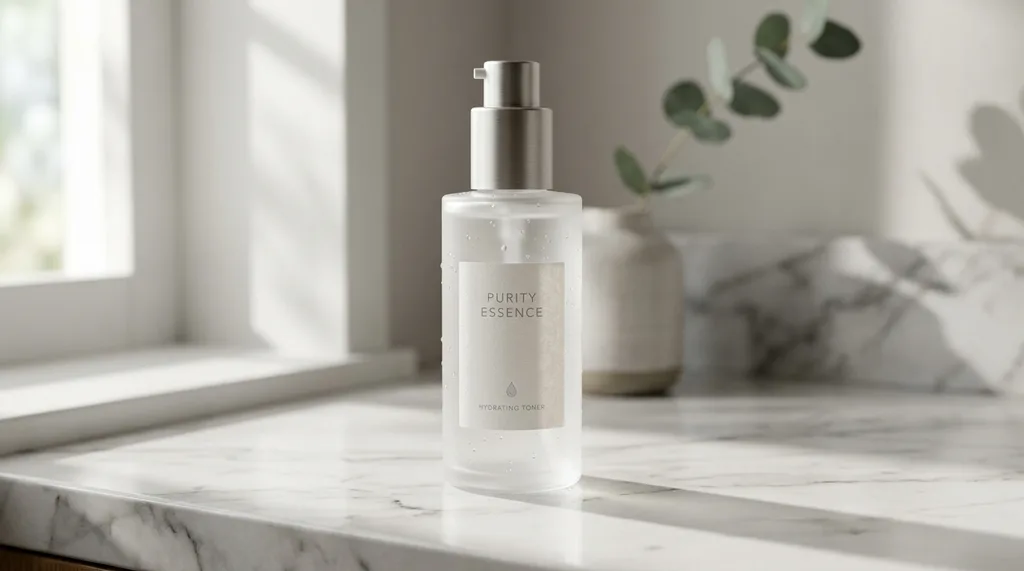
Walk into any Olive Young in Seoul at midnight, and you won’t just see shelves lined with products; you will see a frantic, quiet intensity. A student is comparing two centella-based toners with the focus of a scientist auditing a lab report, while a young professional scans ingredient lists on the Hwahae app to cross-reference efficacy data against her current skin sensitivity.
To the casual global observer, this looks like a shopping spree. To the local Ko-deok (beauty obsessive), it is a diagnostic mission.
There is a fundamental misunderstanding about why Korean skincare has conquered the global market. The common myth is that K-Beauty is simply about the "10-step routine" or the aesthetic goal of "glass skin." But if you chase the aesthetic without understanding the mechanics, you are merely layering products in the dark. The real magic isn't in the number of bottles on your vanity; it’s in the regulatory and clinical ecosystem that forces those bottles to actually perform.
The Regulatory Floor: Why "Functional" Matters
In many Western markets, the barrier to entry for a new skincare product is relatively low. Marketing claims can often outpace clinical reality. In Korea, however, the playing field is dictated by the Sikyakcheo (Ministry of Food and Drug Safety, or MFDS).
[K-Beauty 101] 기능성화장품 (Gineungseong-hwajangpum) — Functional Cosmetic. A legal classification in Korea for products that offer medicinal or physiological efficacy, such as whitening, wrinkle improvement, or barrier restoration. These products must undergo rigorous scientific substantiation before they can even hit the shelf.
This legal designation changes everything. When a manufacturer in Korea labels a product as "functional," they are not just using a buzzword. They are entering a framework that mandates strict concentration thresholds—like ensuring niacinamide sits precisely within the 2–5% efficacy window—and requires expensive clinical trials. For the end-user, this creates a predictable baseline of quality that is rarely found in the more permissive global market. You aren't just buying a serum; you are buying a product that has survived a government-mandated gauntlet of efficacy testing.
The Architecture of Absorption
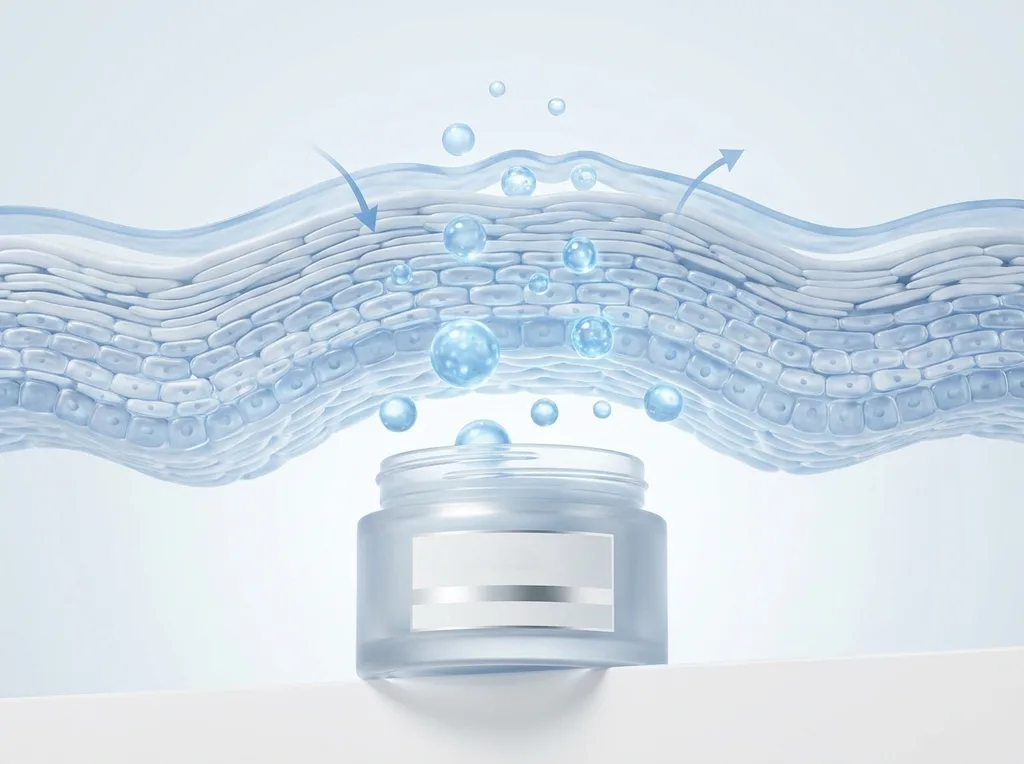
If the regulatory environment is the foundation, 레이어링 (Layering) is the engineering. Western consumers often treat skincare as a "solve-it-all" approach—one heavy cream for every problem. But the Korean protocol is an exercise in optimization.
By starting with thin, water-based toners and moving toward occlusive creams, users are creating a moisture-trapping environment that mimics the skin's natural architecture. This is further supported by advanced delivery systems. Many Korean formulations now utilize nano-emulsions and liposome encapsulation, which act like tiny, sophisticated delivery vehicles. They shield active ingredients from degradation and guide them past the stratum corneum, the skin's outer barrier, which usually blocks most topical treatments from reaching the deeper layers where they are actually needed.
The Hidden Cost of the "Glass Skin" Fantasy
However, there is a dark side to this obsession. The global demand for "glass skin" has fueled a culture of 오버케어 (Over-care). When consumers attempt to replicate a 10-step routine without understanding their own skin's diagnostic needs, the result is often a compromised barrier.
In Seoul, the most respected dermatologists are not the ones who prescribe the most products, but those who advocate for the least. The most effective "routine" is often a minimalist, diagnostic-first approach where products are rotated based on humidity levels, stress, and seasonal shifts. The "Glass Skin" look you see on social media? Much of it is an edited fantasy, but the underlying science of skin health—hydration, barrier integrity, and sun protection—is the genuine, albeit unglamorous, work that keeps Korean skin resilient over decades.
The industry is currently pivoting toward a new era of 피부 과학 연구 (Skin Science Research), where the focus is moving away from basic hydration toward bio-based surfactants and even high-tech interventions like polynucleotide injections. As the market continues to evolve, the distinction between "marketing" and "science" will only grow more critical.
If you want your routine to actually work, stop trying to copy the steps. Start analyzing the ingredients. Look for the "functional" markers. Treat your skin not as a canvas to be painted, but as a biological system to be balanced.
⚠️ Disclaimer: The information provided here is for educational purposes and reflects the current understanding of Korean skincare regulatory standards and dermatological practices. Skincare efficacy is highly individual; always perform a patch test when trying new formulations. If you have chronic skin conditions such as rosacea, severe acne, or dermatitis, consult with a board-certified dermatologist before altering your routine, as high-potency functional ingredients can interact with medical treatments.
✓ Researched and compiled using verified data as of the publication date.
 Operated by: Quiet Korea | Contact: rsl.2001.1975@gmail.com
Comments
Post a Comment