Derma Cosmetics
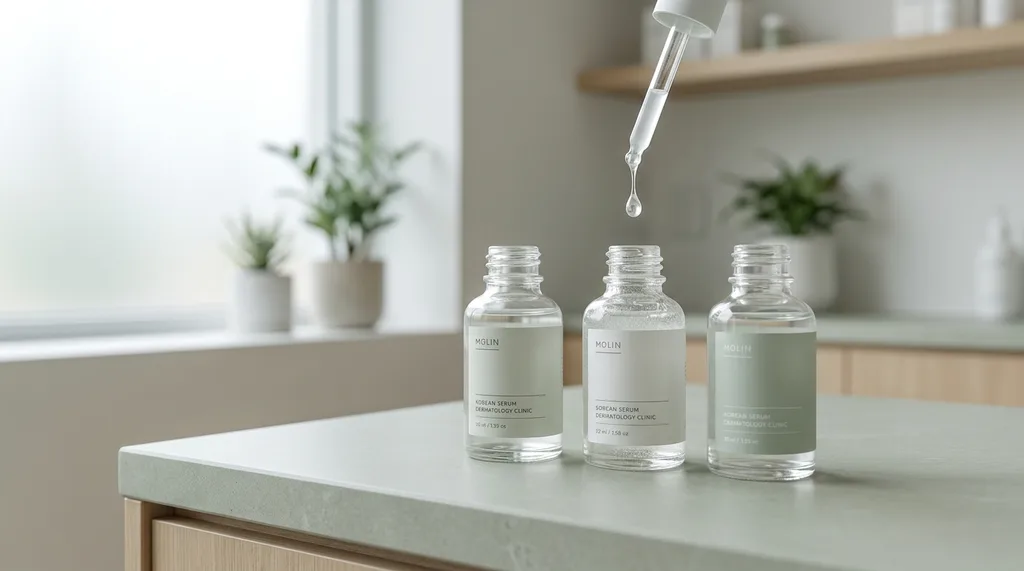
Korean dermatologists have a specific term for what happens to skin in the 72 hours after a laser session. Not "recovery." Not "healing." They call it a state of jaesaeng-gwalli — regeneration management — and they treat it with the seriousness of a clinical protocol, not a moisturizing routine. The products they reach for, the sequence they apply them in, the ingredients they insist on and the ones they forbid — that is the actual heart of Korean medical-grade skincare. And here's the uncomfortable truth: it has almost nothing to do with what's being marketed to you under the "derma cosmetic" label.
That gap — between what the label suggests and what the science supports — is exactly where most global consumers get lost.
The Derma Label Promises Science. Here's What It Actually Guarantees.
Walk the aisles of Olive Young and you'll see the word "derma" stamped on everything from toners to eye creams to SPF sticks. It reads like a regulatory category — like "pharmaceutical" or "clinical-grade." It isn't. In South Korea, derma cosmetic (more formally called 기능성화장품, or functional cosmetics) is a positioning strategy that signals a product formulated with specific active ingredients at concentrations that meet the MFDS — Korea's Ministry of Food and Drug Safety — efficacy standards. It means the formula has been held to a measurable benchmark. It does not mean it was prescribed by a physician, tested in a hospital, or that every product wearing the label has earned it equally.
This matters because the category is enormous, the standards vary by ingredient, and consumer trust in the clinical framing is extremely high. Korean shoppers — and increasingly global ones — extend a level of deference to "derma" branding that the label, on its own, hasn't always earned.
The honest read: the best Korean derma cosmetics are genuinely remarkable — sophisticated formulas built on real clinical research, used in real dermatology clinics, recommended by real doctors. The worst are standard moisturizers in clinical-looking packaging. Knowing the difference requires looking past the branding and into the formula itself.
[K-Beauty 101] Pibu-jangbyeok (피부장벽) — Skin barrier. In Korean dermatology, this is the foundational concept: the outermost layer of the skin (stratum corneum) acts as a fortress, regulating moisture loss and blocking environmental aggressors. Every serious clinical formulation begins with the question: does this support or compromise the barrier?
Inside the Formula: What Niacinamide, Spicules, and Hyaluronic Acid Are Really Doing
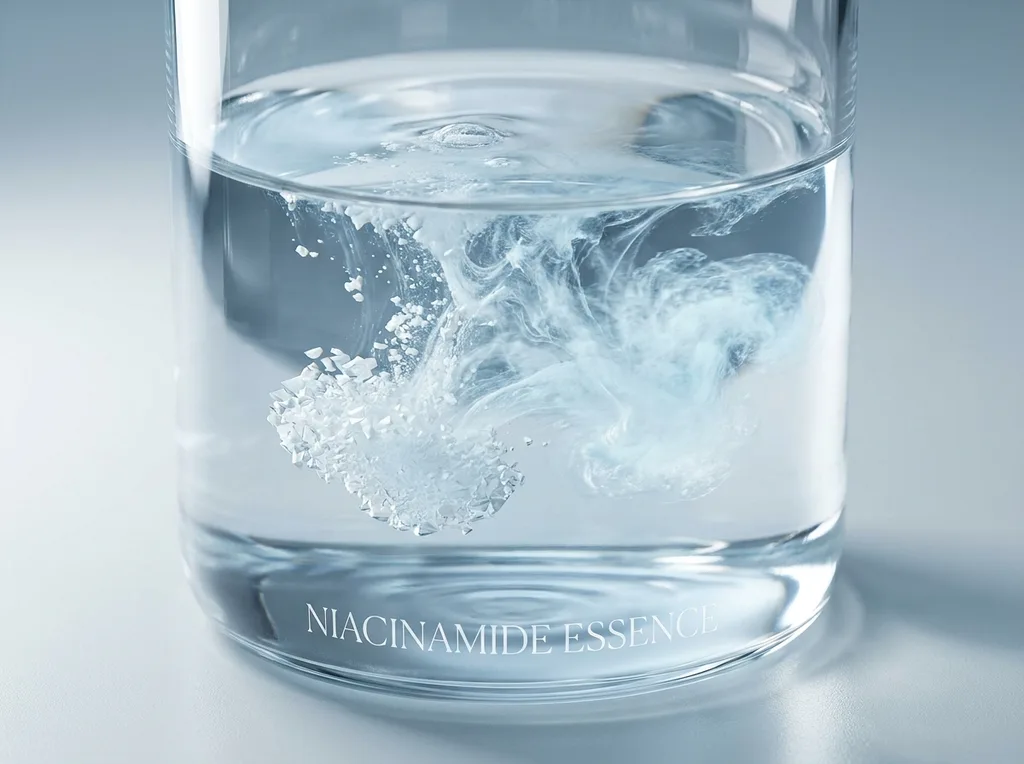
Stripping away the positioning, the most rigorously studied actives in Korean derma cosmetics cluster around three functions: brightening, barrier fortification, and deep delivery. Each has a genuinely impressive science story — and each has a line where the marketing significantly outpaces the evidence.
Niacinamide (Vitamin B3): The Closest Thing Skincare Has to a Multitool
The MFDS sets the functional brightening range for niacinamide between 2% and 5%. At those concentrations, the ingredient inhibits the transfer of melanosomes from melanocytes to keratinocytes — meaning it interrupts pigmentation at the production stage rather than bleaching after the fact. That's a meaningful, mechanism-specific claim, and it holds up under clinical review.
What rarely makes the marketing copy is niacinamide's role as a ceramide synthesis stimulator. When it penetrates the stratum corneum, it doesn't just address tone — it triggers the skin to produce more of its own ceramides, free fatty acids, and cholesterol. These are the three structural components of a healthy pibu-jangbyeok. In a skin barrier that's been compromised by laser treatment, chemical peeling, or simple over-exfoliation, this isn't cosmetic — it's restorative.
The acne application is where things get genuinely surprising. A 4% niacinamide gel has shown clinical results equivalent to 1% clindamycin — a topical antibiotic — in managing inflammatory acne. The mechanism is anti-inflammatory rather than antibacterial: niacinamide suppresses the release of interleukin-8, a key driver of the inflammatory cascade that turns a clogged pore into a red, raised lesion. The critical difference? No antibiotic resistance. No gut microbiome disruption. For patients who have been on long-term antibiotic acne treatments and seen diminishing returns, this is a clinically meaningful alternative — not a cure, but a serious option.
Spicules: The Delivery Innovation That Nobody Explains Honestly
One of the more disruptive technologies in Korean derma cosmetics is the use of spicules — microscopic needles derived from hydrolyzed sea sponges — as transdermal delivery vehicles. Products like VT Cosmetics' Reedle Shot popularized this format, and the concept is scientifically sound: spicules create temporary micro-channels in the epidermis, allowing actives like peptides and niacinamide to penetrate significantly deeper than standard topical application.
Here's what the marketing materials consistently omit: spicules are not active ingredients. They are physical delivery enhancers. The results depend entirely on what's being delivered through those micro-channels — and the application method matters enormously. A gentle tapping motion is mandatory. Rubbing a spicule-based product breaks the needles prematurely on the skin surface, causing unnecessary irritation without the penetration benefit. The "prickling" sensation users report is the spicules working. Redness in the 24 hours after application is normal. Extended irritation beyond that window is not.
For post-procedure skin, spicule products require real caution. Compromised barrier tissue and micro-channels are a combination that demands clinical guidance before use.
Hyaluronic Acid and the Inner Dryness Problem
[K-Beauty 101] Sok-geon-seong (속건성) — Inner dryness. The condition where a skin surface appears normal or even oily, but the deeper layers feel tight and parched. Standard moisturizers address the surface. Korean clinical formulations target this deeper dehydration, which requires low-molecular-weight hyaluronic acid to penetrate past the stratum corneum.
The clinical market's pivot toward "double-planning" sets — combining low-molecular-weight and high-molecular-weight hyaluronic acid in layered application — addresses exactly this. High-molecular HA sits on the skin surface, forming an occlusive film that prevents moisture loss. Low-molecular HA, at a small enough molecular weight to penetrate the epidermis, draws water into the deeper dermal layers. The combination is less about marketing synergy and more about treating two different problems simultaneously.
| Ingredient | Clinical Function | MFDS-Recognized Concentration | Where It Falls Short |
|---|---|---|---|
| Niacinamide | Brightening, barrier repair, anti-inflammatory | 2–5% (brightening) | Below 2%, brightening evidence is weak |
| Low-MW Hyaluronic Acid | Deep hydration, plumping | No strict cap, but study-supported range varies | High-MW only creates surface film — not deep hydration |
| Spicules | Transdermal delivery | Not classified as active ingredient | Delivery only — results depend on co-formulated actives |
| Centella Asiatica (Cica) | Soothing, wound healing support | Used widely post-procedure | Limited evidence for long-term structural repair |
The Protocol Korean Dermatologists Use That No Bottle Can Replace
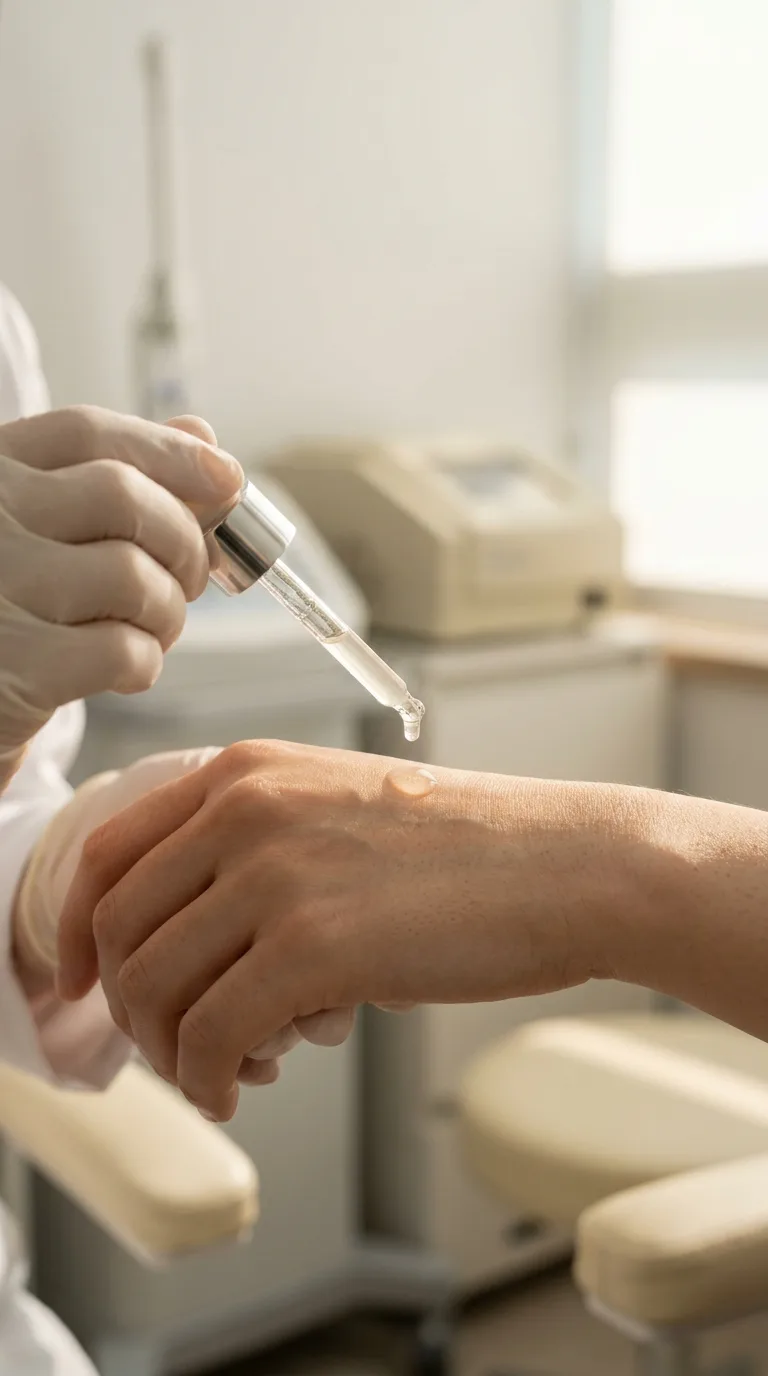
Here's where the open loop closes — and where the real insight lives.
Korean dermatology's competitive advantage isn't the procedures. It isn't even the products. It's the understanding that skin is a system, and that the period between clinic visits is where results are either preserved or squandered.
After a laser toning session or a high-intensity lifting treatment, the skin enters a state of structured vulnerability. The barrier is temporarily compromised. TEWL (transepidermal water loss) spikes. The skin's inflammatory response is active, which means anything irritating applied in that window — a retinol, a strong exfoliant, even a fragrant botanical oil — will amplify sensitization rather than assist recovery. Korean clinics don't just perform the procedure and hand you a receipt. They hand you a protocol. Often, they apply the first layer of the prescribed aftercare product themselves, before you leave the room. Sisul-hu care (시술 후 케어 — post-procedure aftercare) is viewed as a clinical extension of the procedure itself, not an optional add-on.
That protocol typically prioritizes, in order: barrier soothing first (Centella Asiatica, panthenol, low-fragrance ceramide formulas), deep hydration second (hyaluronic acid layering), and active ingredient reintroduction only once the barrier shows recovery — which takes longer than most product marketing suggests.
The brands that built their reputations inside this ecosystem — those that Korean dermatologists actually reach for in the aftercare context — are evaluated on specific criteria: zero fragrance, verified MFDS functional status, stable formulations, and clinical compatibility with sensitized skin. Consumer review platforms like Hwahae, which allow users to filter by dermatologist-recommended status and flag ingredient concerns, have made this clinical intelligence accessible to general consumers in a way that transformed shopping behavior.
The rest — the "medical-grade" labels on fragrant essences, the PDRN serums with opaque concentrations, the spicule products applied to raw post-laser skin — is largely the market capitalizing on the clinical authority of the real thing.
The systemic view is where most global skincare discourse falls short. Magazines cover procedures. Influencers cover products. Nobody covers the unglamorous, non-photogenic protocol that happens between appointments — which is where, according to clinical consensus in Seoul, the actual results are made or lost.
What to Buy, What to Skip, and Who Should Slow Down
If you're building a Korean medical-grade routine without access to a Korean dermatologist, the most practical framework is working backward from the clinical evidence.
Start with barrier integrity. Before any active — niacinamide, spicule delivery, anything — confirm that your barrier is functioning. Signs of a compromised barrier include persistent redness, stinging when you apply water-based products, a tight sensation despite heavy moisturizing (that's Sok-geon-seong in action), and flaking that doesn't resolve with hydration. If these are present, actives will irritate before they help.
Build concentrations deliberately. 2% niacinamide is a gentle introduction. 5% is the clinical upper range for brightening. If you're reaching for products using the "acne-equivalent-to-clindamycin" framing, you need a 4% formulation — not a toner with niacinamide listed fifth on the INCI.
Approach spicule products with real respect. They are not casual sheet masks. The micro-channeling effect is genuine, which means so is the penetration of anything else you apply afterward. Never use spicule products on broken, compromised, or recently-treated skin without professional guidance. The tingling sensation is normal; burning is not.
On the "medical-grade" framing: pay for the formula, not the label. Look for MFDS functional cosmetic registration, fragrance-free or very low-fragrance formulations, and transparent concentration disclosure. Hwahae's ingredient-sorted reviews — searchable by English-speaking consumers through workarounds and proxy shopping services — remain the most rigorous consumer-facing product intelligence in the Korean market.
For global access to Korean clinical-grade formulations verified by regional market performance, both YesStyle and iHerb carry a meaningful selection of the category leaders, with English-language ingredient listings that allow formula verification before purchase.
There's a version of Korean medical-grade skincare that looks like a product haul. And there's the version that Korean dermatologists actually practice — one that treats the skin as a system requiring consistent, sequenced, scientifically-grounded maintenance. The products matter. The science behind them is real. But neither can substitute for the protocol.
The best Korean skin isn't built in a clinic. It's maintained between appointments, with an almost boring commitment to the right ingredients, in the right order, on a barrier that's been protected well enough to receive them. That's the most unglamorous and the most honest thing this category offers.
⚠️ Disclaimer: This article is for educational and informational purposes only and does not constitute medical or dermatological advice. Korean medical-grade and functional cosmetics can contain actives at clinically meaningful concentrations — always perform a patch test before introducing new products. If you have active skin conditions (eczema, rosacea, psoriasis) or have recently undergone any professional procedure (laser, chemical peel, microneedling), consult a board-certified dermatologist before incorporating new active ingredients into your routine. Ingredient equivalences cited (e.g., niacinamide vs. clindamycin) refer to specific concentrations in controlled clinical studies and do not imply that cosmetic products replace prescription treatments.
✓ Researched and compiled using verified data as of the publication date.
 Operated by: Quiet Korea | Contact: rsl.2001.1975@gmail.com
Comments
Post a Comment