[Dupe Finder] Inclusive Beauty: Finding Clinical Efficacy Beyond the Price Tag
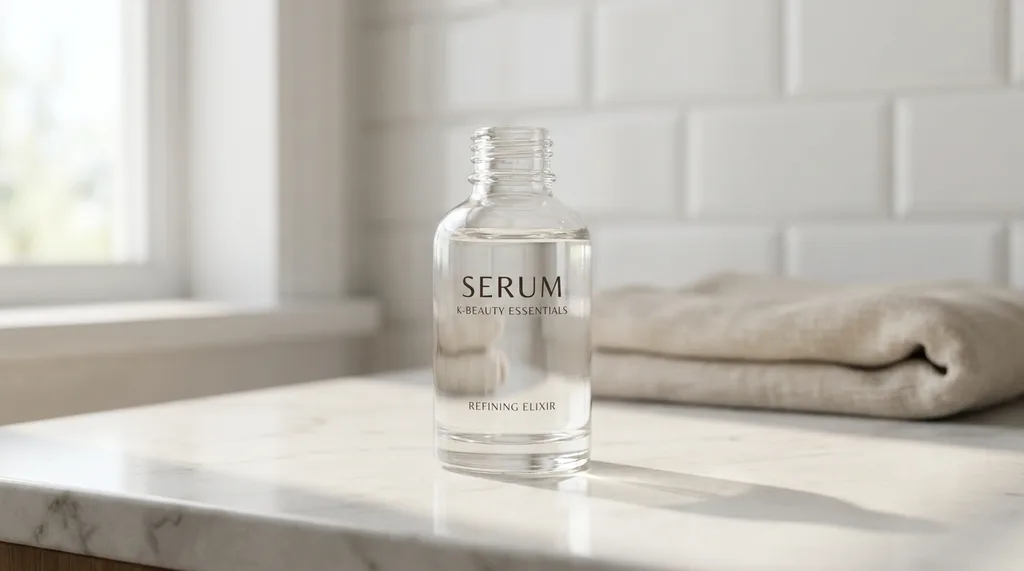
Walk into the bright, buzzing aisles of an Olive Young in Myeongdong at 11 PM, and you’ll notice something immediately: the rows are endless, the packaging is aesthetic, and the prices range from "a cup of coffee" to "a down payment on a car." For the global consumer, especially those with deeper, melanin-rich skin, this abundance often leads to a specific kind of frustration. You’ve heard that Korean skincare is the gold standard for hydration and barrier health, but you’ve also likely felt the sting of "tone-up" creams that leave a ghostly cast or expensive serums that promise glass skin but deliver only irritation.
The misconception is that you need the most expensive bottle on the shelf to achieve the results you see on your social media feed. In reality, the science of effective skincare—specifically the management of melanin-rich skin—rarely relies on a secret, proprietary molecule locked behind a luxury price tag. It relies on barrier integrity and inflammation control.
If you have been struggling with uneven skin tone, the industry has spent years pushing you toward aggressive peels and harsh bleaching agents. K-Beauty, at its best, offers a radical departure from this: it treats the skin as a delicate ecosystem. But how do you navigate the marketing noise to find what actually works for your skin’s biological needs without breaking the bank?
The Anatomy of an Effective Formula
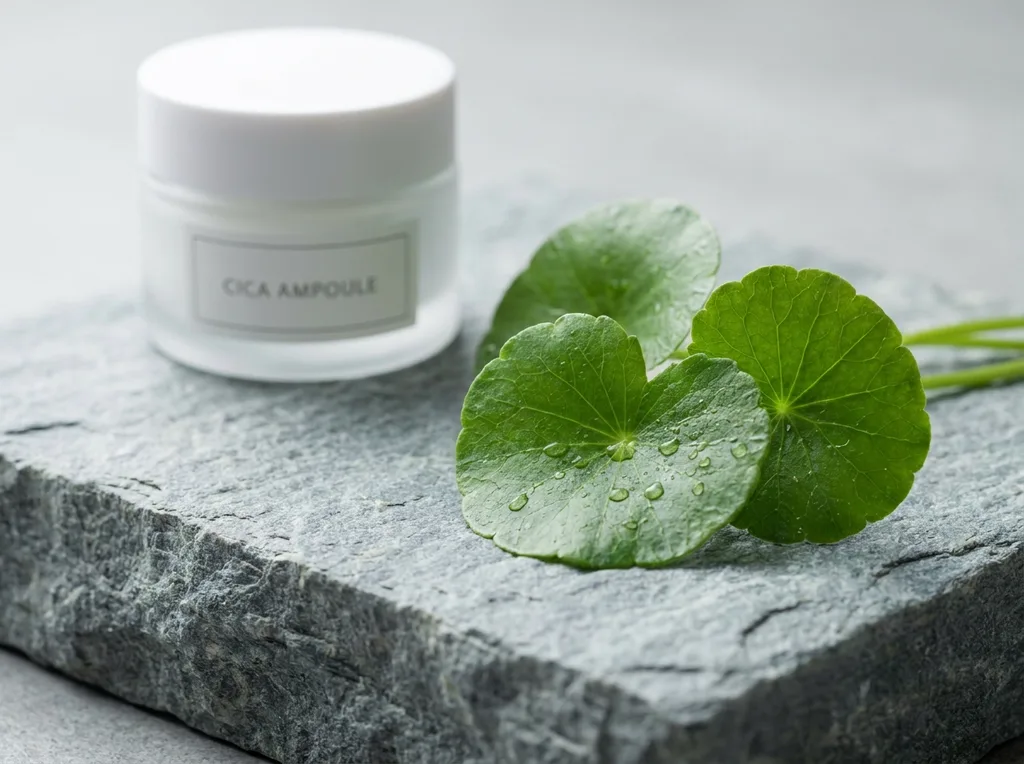
When we talk about "inclusive" skincare in a clinical sense, we are talking about ingredients that respect the melanocyte—the cell responsible for pigment. Melanin-rich skin is biologically prone to post-inflammatory hyperpigmentation (PIH). If your routine is too aggressive, your skin fights back by producing more pigment to protect itself.
This is why the obsession with niacinamide in Korean formulations isn’t just a trend; it’s a strategic choice. Niacinamide functions by inhibiting the transfer of melanosomes—the "packages" of pigment—to your skin cells. It doesn’t "bleach" the skin; it helps ensure your skin tone remains uniform by calming the cellular activity that leads to dark spots.
For a deeper understanding of how these ingredients function at a molecular level, read: The Great Divide: Rethinking Inclusive Beauty.
The Honest Comparison: Where Value Meets Science
When you compare a luxury serum to an affordable alternative, you are often paying for the "experience"—the weight of the glass bottle, the fragrance profile, and the marketing narrative. The core functional ingredients—the niacinamide, the centella asiatica, the hyaluronic acid—are often sourced from the same global suppliers.
| Comparison Point | The Luxury Staple | The Accessible Alternative |
|---|---|---|
| Active Ingredient | Niacinamide 5% + Proprietary Blend | Niacinamide 5% + Centella |
| Formula Stability | High (Buffering Agents) | Moderate (Standardized) |
| Texture/Finish | Velvety, Quick-Absorbing | Lightweight, Slight Dew |
| Price Point | $$$$ | $ |
| Performance | High | High |
The luxury option may include premium emollients that make the application feel like silk, but if your goal is managing hyperpigmentation or barrier repair, the affordable alternative often delivers identical clinical outcomes. The "dupe" is not about being a cheap copy; it is about accessing the same biological mechanism at a price that allows you to be consistent. Consistency is the single most important factor in seeing results.
🎵 Enjoy this article with relaxing Seoul lo-fi music — curated by K-Mono Lofi
The Verdict: How to Choose for Your Skin
If you are building an inclusive routine, your decision should not be driven by brand status, but by your skin's specific behavior.
- If you are on a strict budget: Focus on single-ingredient serums (e.g., pure Niacinamide or Cica). These allow you to isolate what works for your skin without paying for a complex, potentially irritating cocktail of botanical extracts.
- If you struggle with PIH: Prioritize products that focus on pibu jangbyeok (barrier repair). If your barrier is compromised, any brightening agent will cause more irritation, leading to more dark spots.
- If you crave the "luxury" experience: Choose the high-end product only if you have a specific sensitivity to certain preservatives or if the sensory experience (scent/texture) is what keeps you motivated to use the product every single day. If you don't use it, it doesn't work.
Building Your Long-Term Routine
True inclusive beauty is about moving away from the "quick fix" and toward a cycle of maintenance. Start with a low-pH cleanser that doesn't strip your oils, follow with a barrier-repairing serum containing centella or panthenol, and always, always finish with protection.
The goal is to keep the skin calm. When the skin is calm, the melanocytes are quiet. When the melanocytes are quiet, your skin tone remains even. It is not magic; it is biology.
⚠️ Disclaimer: Skincare results vary significantly by individual. Always perform a patch test on your inner forearm before applying new products to your face, especially if you have a history of sensitive skin or hyperpigmentation. If you are targeting persistent melasma or deep pigmentation, consult a board-certified dermatologist to discuss professional-grade treatments alongside your home routine. This article is for educational purposes and does not constitute medical advice.
✓ Researched and compiled using verified data as of the publication date.
 Operated by: Quiet Korea | Contact: rsl.2001.1975@gmail.com
Comments
Post a Comment