[Haul & Commerce Review] 17 Diy Traditional
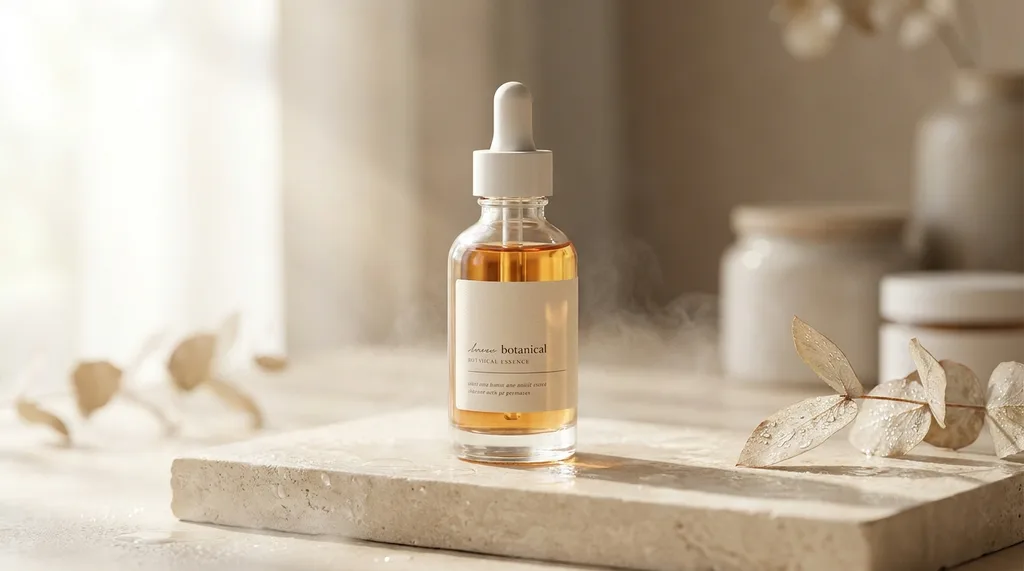
Walk into any neighborhood Olive Young in Seoul on a Tuesday night, and you will notice a distinct lack of fanfare. There is no neon signage pointing toward the "traditional" aisle. Instead, you see a 20-something office worker methodically picking up a bottle of mugwort essence with the same casual precision as grabbing a carton of milk. To her, this isn't a "traditional ritual"—it’s a Tuesday.
The global obsession with "DIY" and "traditional" K-beauty has often been reduced to grainy YouTube tutorials featuring messy rice water concoctions. But in the landscape of modern Korean skincare, the real evolution isn't happening in kitchens; it’s happening in labs that have successfully stabilized centuries-old botanical wisdom. The bridge between the grandmother’s ssuk (mugwort) poultice and today’s refined, clinical-grade essence is where the true value lies.
The Local Intelligence: Why Korea Still Swears by "Old" Ingredients
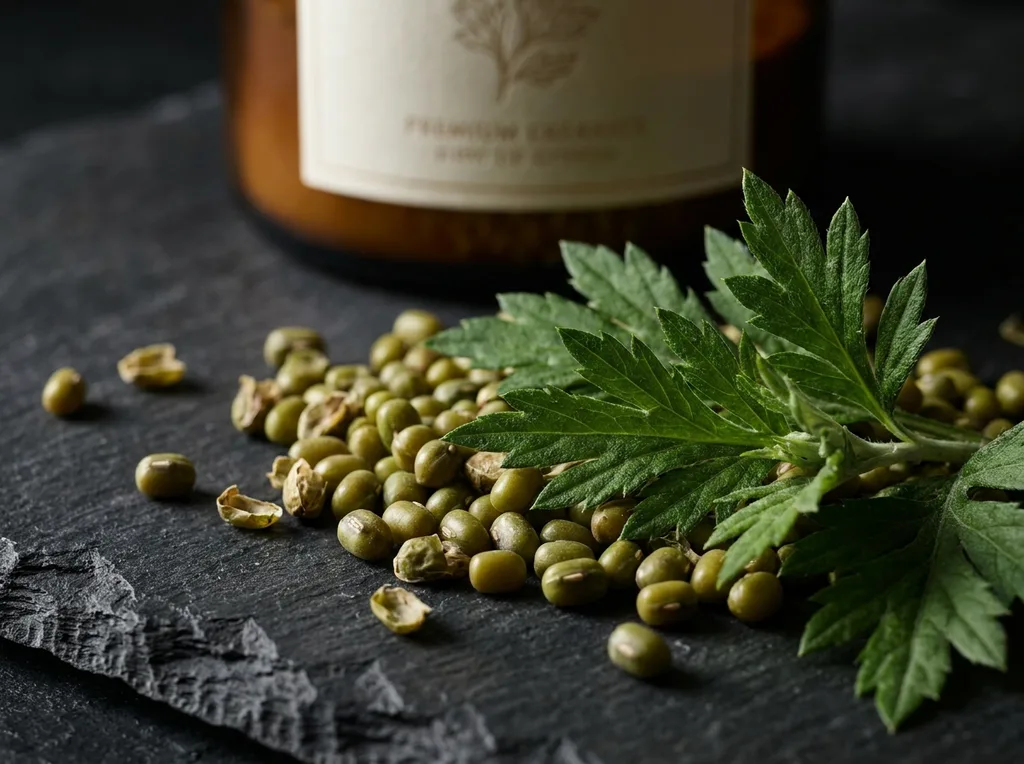
If you ask a local why they reach for ssuk (mugwort) or nokdu (mung bean) products despite the constant influx of high-tech chemical actives, the answer is rarely about nostalgia. It is about jinjeong—a specific, therapeutic state of "calm" that modern synthetic actives often fail to replicate without irritation.
In Korea, the market isn't divided into "natural" versus "scientific." It is divided into "effective" versus "aggressive." The most successful products in this category aren't those that reinvent the wheel; they are those that use supercritical CO2 extraction to ensure the flavonoids and phenolic acids in mugwort remain stable. When you buy a popular mugwort essence in Seoul, you are buying a product that has survived the brutal scrutiny of the Hwahae app, where thousands of users dissect ingredient lists for any hint of potential barrier disruption.
The Honest Breakdown: Mugwort and Mung Bean in the Spotlight
When we move from the cultural myth to the shelf, we have to talk about what actually happens on the skin.
| Metric | Mugwort (Artemisia) | Mung Bean (Nokdu) |
|---|---|---|
| Primary Action | Chronic barrier support & anti-inflammation | Gentle enzymatic exfoliation & clarifying |
| Best For | Redness, heat-sensitivity, reactive skin | Clogged pores, dullness, excess sebum |
| Scientific Note | Rich in antioxidants and flavonoids | Natural saponins for surfactant-free cleaning |
| Caution | Potential contact dermatitis (Asteraceae family) | Not recommended for severely dry skin |
The Reality Check: Many DIY enthusiasts struggle because they assume "natural" means "infinite usage." However, the reason commercial Korean formulations lead the market is their mastery of concentration. A raw mugwort steam at a jjimjilbang (public bathhouse) is a sensory, localized event. A bottled essence is a precise delivery system. If you try to replicate these at home using kitchen-grade ingredients, you risk microbial growth and inconsistent pH levels that can permanently damage your acid mantle.
Accessing the Seoul Standard Globally
You don't need to be in Gangnam to access these formulations. Many of the top-rated essences found in Korean drugstores are now globally available, but the key is knowing which ones prioritize stable extraction over marketing filler.
If you find that a popular Korean mugwort essence is currently sold out or marked up in your region, look for formulations that emphasize "single-ingredient" integrity. On platforms like iHerb, you can often find formulations that utilize the same high-standard extraction methods for fraction of the price. Look for labels that mention "supercritical extraction" or "low-temperature decoction"—these are the industry markers that distinguish a true clinical-grade botanical from a glorified tea rinse.
The Upgrade Path: From Beginner to Advanced
Once you have established your skin's baseline with a reliable mugwort or cica-based essence, you are ready to look at Hanbang 2.0—formulations that layer these traditional botanicals with modern peptides or ceramides. This is the "sweet spot" of current Korean skincare: using the calming, restorative properties of traditional ingredients to act as a buffer for more potent, results-driven actives.
Read next: → The Science Behind Traditional Ingredients (Deep dive into the molecular mechanism of how ssuk and nokdu actually interact with the skin's lipid barrier.)
⚠️ Disclaimer: Traditional botanical ingredients, while generally gentle, can cause allergic reactions. Always perform a patch test behind the ear for 24 hours before applying any new formula to your face. If you have chronic inflammatory skin conditions like eczema or severe rosacea, consult with a board-certified dermatologist before introducing plant-based extracts into your routine. Skincare results are cumulative; consistency is more important than product price.
✓ Researched and compiled using verified data as of the publication date.
 Operated by: Quiet Korea | Contact: rsl.2001.1975@gmail.com
Comments
Post a Comment