The K-Beauty Map Nobody Shows You: Regional Korea's Ingredients, Honestly Reviewed
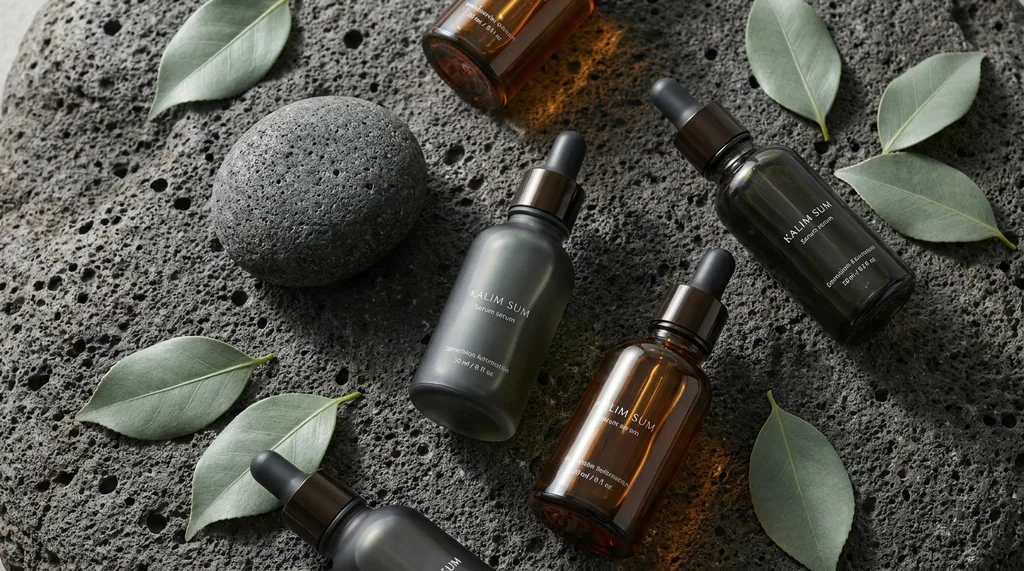
There's a specific moment in Korean dermatology clinics that never makes it into the haul content. After a fractional laser session in Gangnam — skin raw, barrier compromised — the nurse doesn't hand the patient a Seoul-branded moisturizer. She hands them something sourced from Jeju, or from a hanbang apothecary compound in Jeonju, or a mineral-spring formulation developed in Icheon. The practitioners know what the Instagram content won't tell you: the most potent healing ingredients in K-beauty are not born in labs on the outskirts of Seoul. They come from the edges of the peninsula — volcanic islands, fishing ports, century-old medicine streets, and geothermal springs that have been working on human skin for longer than K-beauty has had a name.
If every product on your shelf came from a Myeongdong haul or an Apgujeong pop-up, you've been shopping from the showroom while the source material stayed home.
What Korean Consumers Know That the Rest of the World Doesn't
The Korean beauty consumer — shaped by Hwahae ratings, Naver forums, and the relentless honesty of local community boards — does not buy geography. They buy efficacy. And yet the regionalism in K-beauty is real, specific, and maps almost perfectly onto what products actually do at the skin level.
Jeju is the volcanic island two hours south of the mainland. Its geological identity isn't a marketing construct — the island sits on a genuinely active volcanic zone, and the scoria surfacing there carries a measurably different trace element profile from anything found on the mainland. Korean women along the coast of Busan face a different set of concerns entirely: salt wind, UV exposure, and a collagen-heavy diet that coastal communities have eaten for generations has produced its own informal clinical tradition around marine-derived ingredients. Jeonju, the old Joseon dynasty capital, is still home to one of Korea's most concentrated hanbang (traditional Korean medicine) districts, where apothecaries compound fermented botanical preparations that no commercial brand has replicated in full. And the hot spring regions — Icheon, Asan, Bugok — have a wellness practice built around oncheon (mineral hot springs) that predates modern skincare by centuries.
[K-Beauty 101] Jeju Hwasansongi (Jeju Volcanic Scoria) — the porous, mineral-rich byproduct of Jeju's volcanic geology. What makes it genuinely distinct is not romanticism but physical structure: the scoria's absorbent surface binds excess sebum and draws out blackheads on contact, with clinical testing showing roughly 30% sebum reduction. Seoul's skincare labs didn't invent this — they licensed it from the island.
The Hwahae community tracks which regional ingredients earn consistent repeat repurchases versus which are one-season trends. Right now, Jeju-sourced green tea and camellia are holding high ratings because the EGCG concentration in Jeju-grown green tea has documented antioxidant activity — suppressing UV-induced hydrogen peroxide by between 68 and 90 percent, depending on extraction quality. That range is the whole story. Because the extraction method is where the real variable lives.
A subcritical extraction process — high-pressure, high-temperature, water-based, no synthetic solvents — pulls significantly more bioactive compound out of Jeju camellia than conventional methods. Brands that invest in this technology produce a measurably different product. Brands that slap "Jeju" on the label and cold-press like anyone else are selling you the island's reputation, not its chemistry. You cannot tell the difference from the label alone. You can sometimes tell from price tier and a brand's published formulation methodology. You can almost always tell from Hwahae community reviews tracking actual skin response over weeks.
Breaking Down What's Actually in the Bottle
This is the honest accounting. Regional K-beauty ingredients span a wide range of clinical credibility — from genuinely well-studied actives to packaging decisions dressed up as ingredient science.
| Regional Ingredient | Primary Function | What the Evidence Shows | Honest Caveat |
|---|---|---|---|
| Jeju Volcanic Scoria | Sebum control, pore cleansing | ~30% sebum reduction in blackhead studies | Works best in rinse-off formats; leave-on contact time is too brief for the mechanism |
| Jeju Green Tea EGCG | Antioxidant, UV damage mitigation | 68–90% H2O2 suppression in UV exposure studies | Concentration in finished products often far below tested levels — check ingredient rank |
| Camellia Oil (Tsubaki) | Barrier repair, lipid replacement | Strong lipid profile, well-studied skin penetration | Heavy for oily or combination skin; best as overnight oil or mixed into moisturizer |
| Hanbang Fermented Botanicals | Anti-inflammatory, microbiome support | Long traditional use; active modern R&D | Fermentation processes vary wildly — pH and strain specificity matter more than the plant base |
| Marine Collagen (Coastal) | Firming, hydration | Documented benefits, but large molecules have limited topical penetration | Look for "hydrolyzed marine collagen" in the INCI — the molecular size actually reaches the skin |
The technology gap is where it gets genuinely interesting. Brands extracting Jeju camellia using high-pressure homogenizers to create nanometer-scale liposomal delivery structures are producing a product where the active compound measurably reaches the epidermis. The brands using conventional methods and calling it "Jeju-sourced" are selling you geography. The liposomal versions cost more. They also work differently. That is not a coincidence.
[K-Beauty 101] Hanbang (Traditional Korean Medicine) — in the skincare context, this refers specifically to the living apothecary tradition maintained in cities like Jeonju, where practitioners compound botanical preparations using multi-herb fermentation and mineral-rich water bases. The commercial "hanbang" label frequently loses the formulation specificity that makes the original preparations effective. The real thing is not a single ginseng extract. It's a system.
Getting Regional Korea Delivered to Your Door
The ingredient education is only useful if you can act on it. Here is the practical architecture for accessing regional K-beauty from outside Korea.
Olive Young Global ships internationally. The global store inventory favors established brands over small regional producers — you won't find the Jeonju apothecary compounds listed — but the Jeju-category shelf is well-represented. Delivery fees and timelines vary by destination, but the platform has expanded its global logistics significantly. It is the cleanest direct channel for the brands that have built their identity around regional sourcing.
For ingredient-equivalent alternatives through a global warehouse: iHerb carries formulations centered on camellia japonica, green tea EGCG, and volcanic mineral extracts that parallel what Jeju-sourced products accomplish. The price point is often lower; extraction methodology varies by brand and is worth checking. If you're using these primarily as antioxidant and barrier-support layers, look for green tea extract or EGCG listed in the first five INCI ingredients, and camellia seed oil rather than camellia leaf extract — they serve meaningfully different functions.
Use code QAK3042 for an additional discount on iHerb orders.
| Channel | Jeju Green Tea Serum (equivalent) | Camellia Oil (30ml) | Volcanic Pore Mask |
|---|---|---|---|
| Olive Young Korea (in-store) | ~$12–18 USD | ~$18–28 USD | ~$8–12 USD |
| Olive Young Global (international shipping) | ~$15–22 USD + shipping | ~$22–35 USD + shipping | ~$10–15 USD + shipping |
| iHerb equivalent formulation | $15–30 USD (free shipping threshold varies) | $12–25 USD | No direct equivalent |
Korean cosmetic exports hit USD 2.3 billion in the first quarter of 2025 alone — a 21.7% year-over-year increase. The infrastructure for getting regional ingredients to global consumers has never been more developed. The friction was never logistics. It was always knowing what to ask for.
The Upgrade Path: From Sampling to a System
If you're starting from scratch with regional K-beauty ingredients, the practical entry sequence:
- Jeju volcanic pore mask (rinse-off, twice weekly) — lowest-risk introduction to the sebum-control mechanism; works across most skin types because the active ingredient leaves with the rinse
- Jeju green tea serum or essence (antioxidant layer, daily AM) — daily UV defense support; EGCG in the first five ingredients is the filter that matters
- Camellia oil (barrier repair, evening) — one or two drops pressed into damp skin after serums; particularly valuable in dry climates, during winter, or in the weeks after any resurfacing treatment
From there, the upgrade toward hanbang fermented preparations makes sense once you've established baseline skin response — particularly if your concern is chronic inflammation, uneven tone, or long-term barrier resilience.
The regional K-beauty map is not a travel itinerary. It's a functional key to understanding which Korean landscape produces which skin solution — and why the practitioners in those Gangnam clinics have always known to reach for the island before they reach for the lab.
Read next: → The Island That Built K-Beauty's Scientific Foundation (The full breakdown of why Jeju ingredients behave differently at a cellular level — and how to read a formulation label for actual extraction quality, not just label claims.)
⚠️ Medical & Financial Disclaimer: The skincare ingredients discussed in this article — including volcanic scoria, green tea EGCG, camellia oil, and fermented hanbang preparations — are cosmetic formulations, not medical treatments. If you have active skin conditions such as rosacea, eczema, post-procedure healing skin, or severe acne, consult a board-certified dermatologist before introducing new active ingredients. Patch test all new products for a minimum of 48 hours before full application. Price data reflects general market ranges as of this writing and may vary by region, retailer, and exchange rate. This article contains affiliate links; we may earn a commission at no extra cost to you, and all editorial positions are independent of affiliate relationships.
✓ Researched and compiled using verified data as of the publication date.
 Operated by: Quiet Korea | Contact: rsl.2001.1975@gmail.com
Comments
Post a Comment